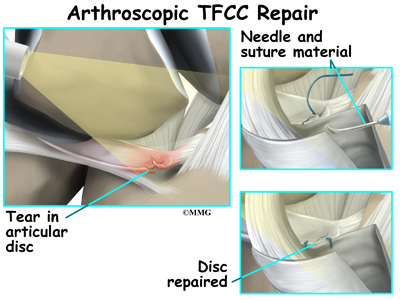
Tfcc Tear / Tfcc Injury Hand Orthobullets - Treatment options for a tfcc tear. In evaluating tfcc tears using mri, another very important distinction to make is whether the dorsal or volar radioulnar ligaments are involved with the tear. Treatment options for a tfcc tear Injury is caused to the tfcc either by degeneration, overuse, or trauma. It is caused either by sudden trauma or may develop gradually. A triangular fibrocartilage complex (tfcc) tear or sprain occurs when the triangular fibrocartilage complex (tfcc), a cartilage structure that joins the end of the forearm to the small wrist bones on the pinkie side, is strained due to an injury or a golf swing.
Tfcc tears refer to serious injuries that affect the triangular fibrocartilage disc (tfc), the radioulnar ligaments (rul), and the ulnocarpal ligaments (ucl). The most common symptoms of tfcc tears include: A tfcc tear is a common injury in golf, boxing, tennis, waterskiing, gymnastics, pole vaulting and hockey. They can return to their normal sports activity in 4 to 6 weeks. In evaluating tfcc tears using mri, another very important distinction to make is whether the dorsal or volar radioulnar ligaments are involved with the tear.
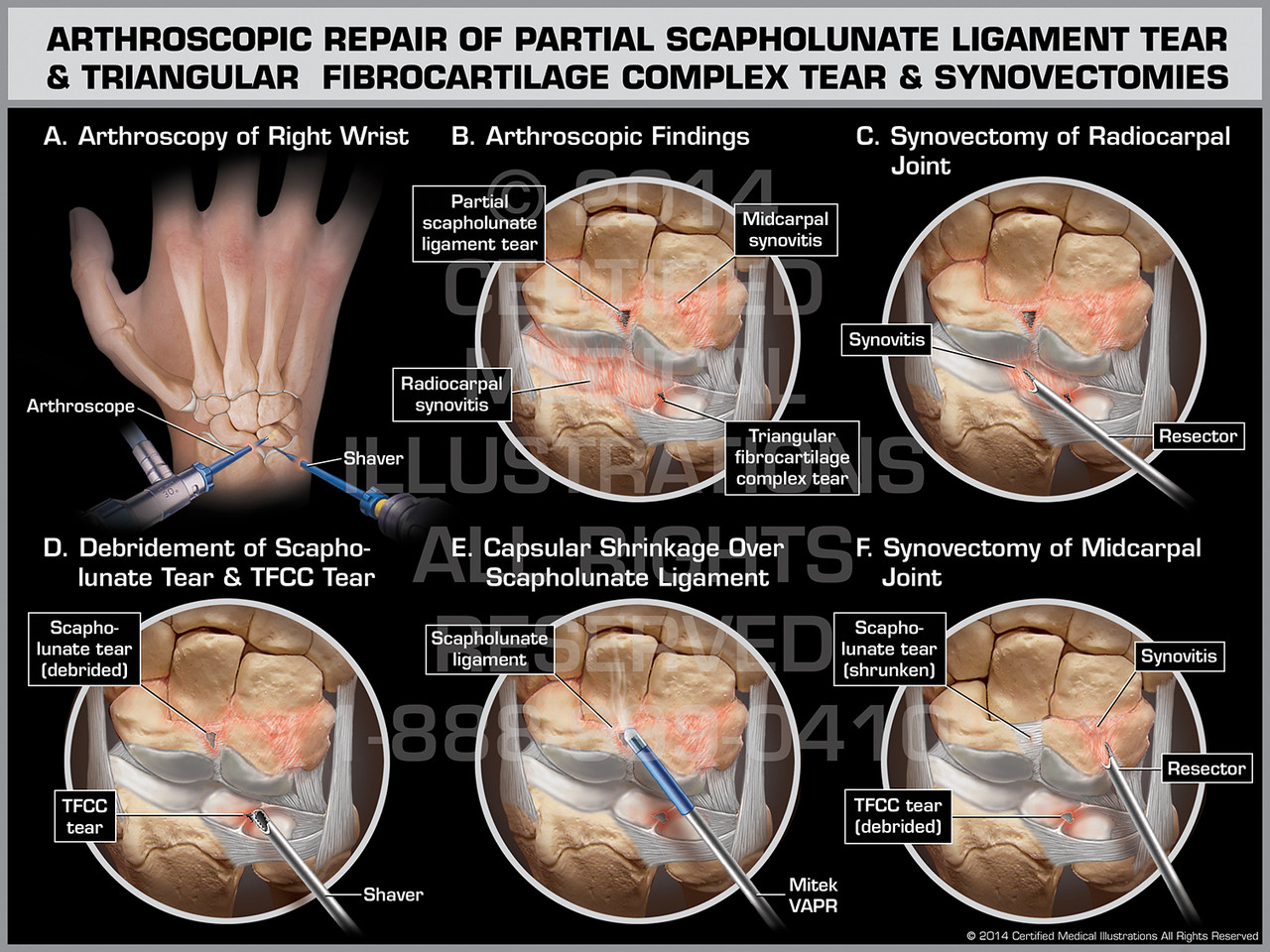
Arthroscopic Repair Of Partial Scapholunate Ligament Tear Triangular Fibrocartilage Complex Tear Synovectomies from cdn10.bigcommerce.com The tfcc is made of tough fibrous tissue and cartilage. Golf players and tennis players who suffer from a stable tfcc tear are able to start light activity ball contact at 3 weeks after the arthroscopy. A triangular fibrocartilage complex (tfcc) tear or sprain occurs when the triangular fibrocartilage complex (tfcc), a cartilage structure that joins the end of the forearm to the small wrist bones on the pinkie side, is strained due to an injury or a golf swing. Treatment options for a tfcc tear Mild injuries to the tfcc are generally classified as a wrist sprain, but tears and severe damage to the tfcc can lead to major problems with the function of the wrist. Degenerative or chronic tfcc tears occur when the cartilage wears down as you age. It also maintains stability of the radius and ulna during grasping and rotating activities of the hands. Injury is caused to the tfcc either by degeneration, overuse, or trauma.
The tfcc is part of an extensive group of ligaments that help stabilize both the small wrist bones and the ulna bone.
The tfcc is made of tough fibrous tissue and cartilage. Treatment options for a tfcc tear The most common symptoms of tfcc tears include: This tissue supports the joints between the end of the forearm bones (radius and ulna), adding to their stability. It works like a shock absorber for the joints on your hands, therefore, a tear, lesion or injury in the tfcc may cause acute wrist pain. Learn how to accurately identify the injury and that it can heal without surgery when managed properly. A triangular fibrocartilage complex (tfcc) tear or sprain occurs when the triangular fibrocartilage complex (tfcc), a cartilage structure that joins the end of the forearm to the small wrist bones on the pinkie side, is strained due to an injury or a golf swing. Mild injuries to the tfcc are generally classified as a wrist sprain, but tears and severe damage to the tfcc can lead to major problems with the function of the wrist. Injuries range from mild to severe, but all can disable the wrist. Golf players and tennis players who suffer from a stable tfcc tear are able to start light activity ball contact at 3 weeks after the arthroscopy. The tfcc is what keeps the bones in the forearms, called the radius and ulna, from pulling apart. An injury to the wrist. There may be some anatomical risk factors.
Treatment options for a tfcc tear They can return to their normal sports activity in 4 to 6 weeks. Tfcc or the triangular fibrocartilage complex is a cartilaginous structure located around the wrist region which provides support and cushions the carpal bones in the wrist. The only injury that responds to taping of the wrist, or wearing a wristwidget® is the tfcc tear. Learn how to accurately identify the injury and that it can heal without surgery when managed properly.
Tfcc Injuries from www.londonupperlimbsurgery.co.uk If these become stretched and allow too much movement, this is called instability. Treatment options for a tfcc tear What is a tfcc tear? Instability is another feature of tfcc tears (2). A person who has rheumatoid arthritis or other inflammatory diseases is more likely to suffer a degenerative or chronic tear. A tfcc tear is a common injury in golf, boxing, tennis, waterskiing, gymnastics, pole vaulting and hockey. It works like a shock absorber for the joints on your hands, therefore, a tear, lesion or injury in the tfcc may cause acute wrist pain. A tfcc tear is any injury or damage to the tfcc.
Thinning soft tissue structures can result in a tfcc tear with minor force or minimal trauma.
A tfcc tear is a common injury in golf, boxing, tennis, waterskiing, gymnastics, pole vaulting and hockey. A person who has rheumatoid arthritis or other inflammatory diseases is more likely to suffer a degenerative or chronic tear. Tfcc tears refer to serious injuries that affect the triangular fibrocartilage disc (tfc), the radioulnar ligaments (rul), and the ulnocarpal ligaments (ucl). Degenerative or chronic tfcc tears occur when the cartilage wears down as you age. Golf players and tennis players who suffer from a stable tfcc tear are able to start light activity ball contact at 3 weeks after the arthroscopy. Treatment options for a tfcc tear There is no other injury that changes your weight bearing tolerance when you bring the radius and ulna together, so the weight bearing test becomes a diagnostic tool. The tfcc can become torn with a fall on an outstretched hand, other trauma, or just wear and tear. Thinning soft tissue structures can result in a tfcc tear with minor force or minimal trauma. Many people injure their tfcc and are not immediately aware of it. Tfcc tear the triangular fibrocartilage complex, or tfcc, is an important structure in the wrist. The tfcc is part of an extensive group of ligaments that help stabilize both the small wrist bones and the ulna bone. The most common symptoms of tfcc tears include:
The only injury that responds to taping of the wrist, or wearing a wristwidget® is the tfcc tear. There may be some anatomical risk factors. A tfcc tear is any injury or damage to the tfcc. The triangular fibrocartilage complex (tfcc) is a cartilage complex located in the wrist between the carpal bones, ulna, and distal radioulnar joint (druj). A tfcc tear is an injury to the triangular fibrocartilage complex found in the wrist.
Patient Education Concord Orthopaedics from www.eorthopod.com The triangular fibrocartilage complex (tfcc) is an area between your radius and ulna, the two main bones that make up your forearm. Tenderness in the soft spot between the ulnar styloid and flexor carpi ulnaris tendon, between the volar surface of the ulnar head and the pisiform 95% sensitivity and 87% specificity for foveal disruptions of tfcc or ulnotriquetral ligament injuries pain elicited with ulnar deviation (tfcc compression) or radial deviation (tfcc tension) The tfcc is what keeps the bones in the forearms, called the radius and ulna, from pulling apart. An injury to the wrist. There are two types of tfcc tear: Injury is caused to the tfcc either by degeneration, overuse, or trauma. Many people injure their tfcc and are not immediately aware of it. Treatment options for a tfcc tear
The most common symptoms of tfcc tears include:
A tfcc tear is a common injury in golf, boxing, tennis, waterskiing, gymnastics, pole vaulting and hockey. The tfcc is what keeps the bones in the forearms, called the radius and ulna, from pulling apart. Tenderness in the soft spot between the ulnar styloid and flexor carpi ulnaris tendon, between the volar surface of the ulnar head and the pisiform 95% sensitivity and 87% specificity for foveal disruptions of tfcc or ulnotriquetral ligament injuries pain elicited with ulnar deviation (tfcc compression) or radial deviation (tfcc tension) In evaluating tfcc tears using mri, another very important distinction to make is whether the dorsal or volar radioulnar ligaments are involved with the tear. An injury to the wrist. There are two types of tfcc tear: Tfcc or the triangular fibrocartilage complex is a cartilaginous structure located around the wrist region which provides support and cushions the carpal bones in the wrist. Tfcc injuries can cause mild to severe pain. A tfcc tear is an injury to the triangular fibrocartilage complex found in the wrist. Tfcc tears refer to serious injuries that affect the triangular fibrocartilage disc (tfc), the radioulnar ligaments (rul), and the ulnocarpal ligaments (ucl). If left untreated the pain may become chronic. A tfcc tear is an injury to the triangular fibrocartilage complex, soft tissues in the wrist that cushion and support the carpal bones and help stabilize the forearm. Thinning soft tissue structures can result in a tfcc tear with minor force or minimal trauma.
There are two types of tfcc tear: tfc. The most common symptoms of tfcc tears include:
Tfcc Tear / Tfcc Injury Hand Orthobullets - Treatment options for a tfcc tear. There are any Tfcc Tear / Tfcc Injury Hand Orthobullets - Treatment options for a tfcc tear in here.